Biohazard cleaning explained
What Biohazard Cleanup in Lexington Means and Includes
After crimes, deaths, accidents, a sewage backup or hoarding situations, biohazard cleanup means safe removal, disinfection and disposal of tissue, blood, bodily fluids and infectious or hazardous materials.
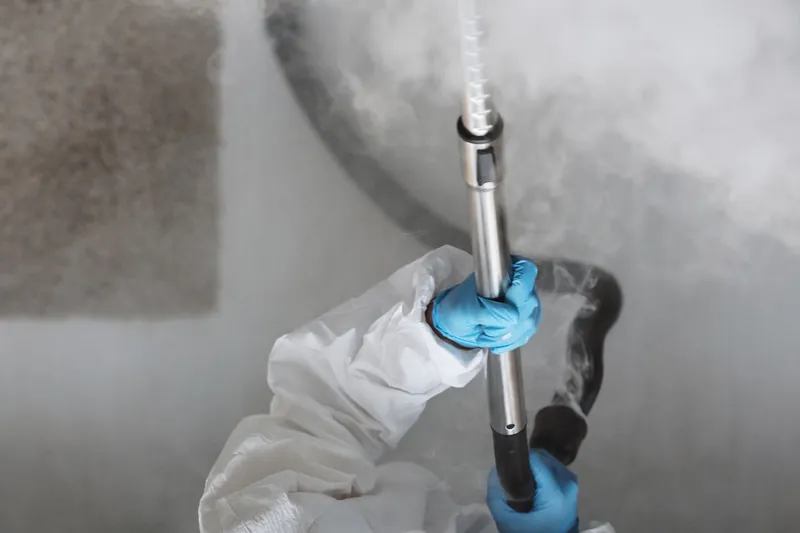
Bio cleanup, trauma cleanup, bio hazard cleaning and biohazard remediation describe the same work. Professional biohazard cleanup is more involved than deep cleaning. Technicians use personal protective equipment, locate every contaminated place, remove porous material that disinfection cannot save and treat affected areas until each reaches a livable condition.
Anything biological with the potential to make someone sick is a biohazard. The usual examples in homes or businesses are:
- Fresh or dried blood and bodily fluids
- Decomposition after an unattended death
- Human and animal waste along with urine and vomit
- Category 3 black water and untreated sewage
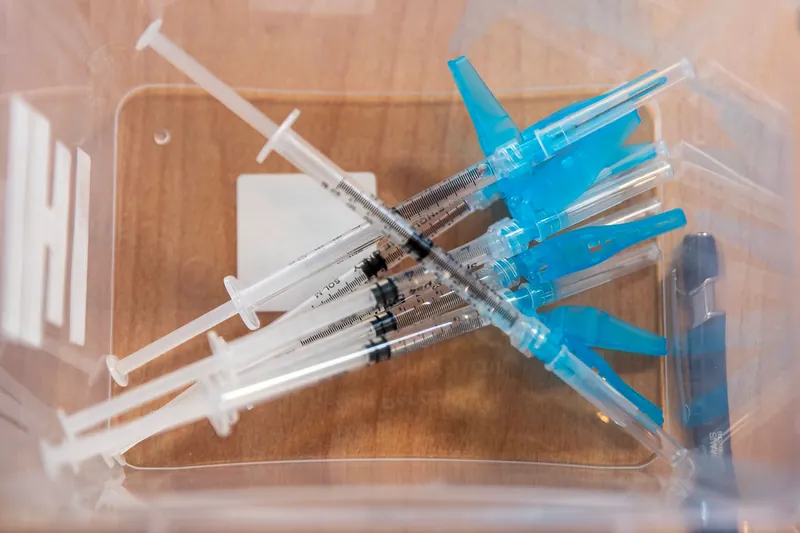
- Needles, sharps and medical waste
- Drug lab residue, including meth and fentanyl