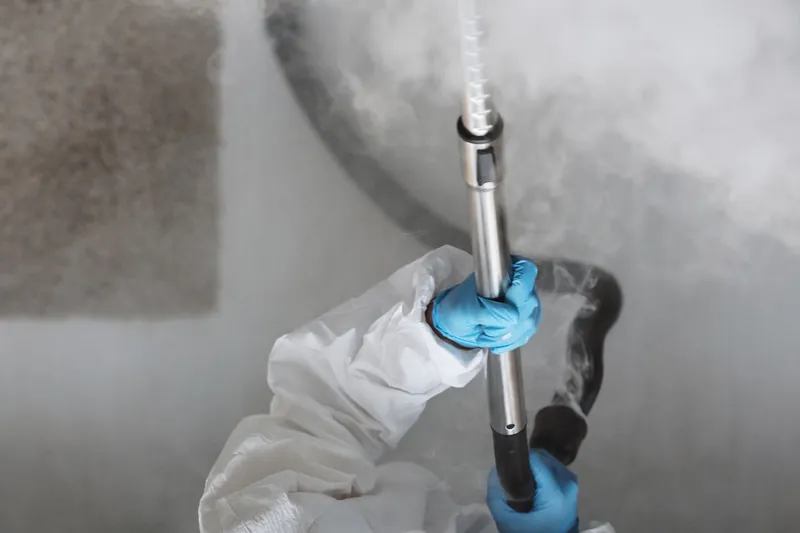
Infectious Disease Disinfection
Disinfection for infectious disease uses EPA-registered products with complete coverage of surfaces.
See infectious disease disinfectionGet MRSA, C. diff or norovirus contamination cleaned from a home, rental, gym, care setting or workplace in Stamping Ground. The work can include containment, surface cleaning, target-specific disinfection and controlled waste packaging.
MRSA, C. diff and norovirus cleanup is focused cleaning and disinfection after an illness, exposure or outbreak has contaminated a home, room, vehicle or shared facility.
One cleaning method is not suitable for all three organisms. The bacterium MRSA resists multiple antibiotics, while the bacterium C. diff can produce hardy spores. Norovirus is a very contagious virus, and contaminated objects, hands, bodily fluids or food can spread it. Product labels must name the organism and guide the required surface preparation, choice of disinfectant and contact time.
Identifying contaminated areas comes first, including high-touch surfaces and materials where contamination may remain. The work zone is separated before cleanup technicians use protective equipment, take away visible soil and clean. They apply an EPA-registered disinfectant under its label directions. The plan also covers porous materials, since spraying a surface quickly may miss contamination within padding, unfinished wood or fabric.
Day or night, calls are answered and crews use unmarked vehicles. You may discuss a workplace, residence, rental or care facility without attracting unnecessary attention.
You hear which rooms and surfaces are included, which items need separate treatment and which factors affect the cost before cleanup begins.
The evaluation considers material and contact for personal property, textiles and shared devices. You can discuss belongings that might need removal prior to their departure from the affected area.
To help you move forward, cleanup photos, scope notes and disposal documentation can support conversations with a property owner, facility manager, infection-control leader or insurance company.
Specialized cleaning can be appropriate if ordinary housekeeping cannot address the area safely, or if multiple people touch its shared surfaces. Situations that may call for it include:
Care environments, offices, schools and public facilities often include many surfaces touched frequently. To limit cross-contamination, the property can be planned as separate affected and unaffected sections.
Focused cleaning may be appropriate when someone with a known infection has used a room, bathroom, exercise space or shared item. Surfaces with frequent or direct contact are prioritized.
Close attention is given to lockers, exercise mats, benches, shared gear and door hardware. Used cloths and equipment stay out of unaffected areas while cleanable surfaces are treated.
During an illness, nearby touch points, bathroom surfaces, bedding and floors may be affected. Soil must come off first, followed by a disinfectant carrying the proper C. diff claim for the entire label time.
Start by reducing contact and preserving a clear boundary around all affected areas. These steps help protect you and keep contamination from spreading:
Call (888) 351-0904A separate cost range covering C. diff, norovirus or MRSA cleanup is not available in published guides. The nearest related guides for biohazard work cite a full published span between $1,500 and $25,000 in total. For most residential projects, they list $2,500 through $8,000 depending on scope, with a residential average range from $1,800 to $4,500 and a typical national range from $3,000 to $5,000 overall. These ranges are not a quote for your property. Your scope will reflect the area affected, the surfaces involved and the disposal needs.
These national ranges are taken from published cost guides, rather than a property visit. You learn what your property will cost after the on-site assessment and before any work begins.
Ask about cost: (888) 351-0904Payment varies with what caused the contamination, which property type is involved, the terms of the policy and any applicable facility or lease agreement. For insurance assistance, begin by asking your insurer which records are required.
A business, care setting, school or gym should follow its infection-control plan and internal approval process. Payment and work authorization can be decided among the manager, owner and insurance company.
Responsibility can depend on the cause, lease terms and local requirements. Tenants and property owners need to record impacted areas and settle access arrangements before contaminated items are relocated.
If a covered event leads to the work, certain homeowners and renters policies may cover professional cleanup. Report the circumstances, ask specifically about infectious disease or biohazard cleanup and keep the claim number.
Ask insurance companies which item lists, photographs, disposal documents and scope records they require. Keep communication records, and avoid disposing of belongings before guidance arrives if you can wait safely.
Cleanup follows a controlled sequence. It begins with assessment and containment, continues through cleaning and disinfection, and ends with inspection. The organism involved, the area affected, each type of surface and the selected product labels shape every stage.
Technicians examine shared gear and porous materials along with the rooms and touch points in the scope. The possible organism guides the choice of cleaning products and the sequence of work.
A boundary divides the work zone from clean areas. The plan limits entry, matches protective gear to the work and establishes a path for incoming tools and outgoing sealed waste.
Disposable items and porous materials that cannot be fully cleaned may be bagged within the work zone. Hazardous materials stay separate from reusable items that can follow a suitable cleaning or laundering path.
Before disinfection, visible dirt and organic material are removed. Clearing material left behind helps prevent it from blocking the surface or weakening the disinfectant.
An EPA-registered disinfectant bearing a label claim suitable for the organism is applied to cleanable surfaces. Wetness is maintained for all of the label's stated contact time.
Separation prevents used materials, including cloths, mop heads, protective equipment and linens, from mixing with clean supplies. Each material takes the proper route for cleaning, laundering or waste disposal.
High-contact areas, floor perimeters and less visible transitions are included when the work zone is inspected. Records describe the finished scope and all materials removed or placed aside.
You receive a summary of the treated areas and any remaining facility steps. Removing contaminated construction materials may create a need for restoration services. Medical, public health or infection-control guidance determines people-related precautions beyond the physical cleaning.
Phone any hour. Your MRSA, C. diff and norovirus cleanup specialist answers the phone, describes what happens next and works with you on a start time.
These infections can pose serious health risks and spread in different ways, so safe cleanup depends on the organism, the contaminated material and how people use the space.
Hands, cloths, mop heads, laundry and cleaning equipment can move contamination into surrounding areas. Separate supplies and an established work path help limit further movement of contamination.
A workplace, care setting or home can be seriously disrupted by an illness that feels urgent. While the cleaning plan and safe return process are described, you can avoid the affected area.
MRSA can spread through direct contact or contaminated objects. Shared towels, athletic equipment, door hardware and other frequently touched surfaces deserve careful cleaning when they are part of the affected area.
Can you clean it yourself? Ordinary household cleaning may be sufficient if the space has only routine soil and no exposure or illness is suspected. Consider professional cleanup after a confirmed or suspected infectious illness, when bodily fluids reached porous materials, when several rooms or shared facilities are affected, or when you cannot keep clean and contaminated items separate.
Compatible hard surfaces that can be reached are generally suitable for cleaning and disinfection. Each porous item must be assessed separately because contamination may penetrate beneath its surface.
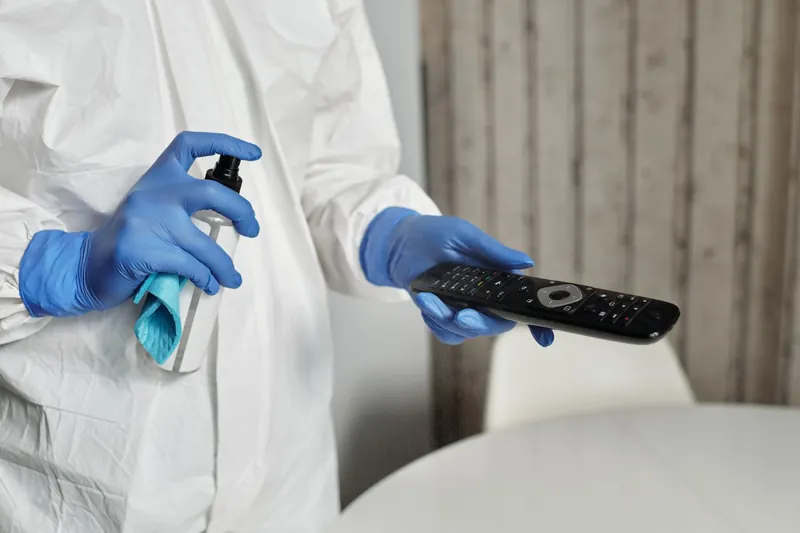
A schedule can be established after assessment of the organism and all affected rooms and surfaces. Several rooms with porous materials, textiles or commonly used equipment require more work than a small hard-surface space.
| Scene | Typical time on site |
|---|---|
| Limited area with reachable hard surfaces | Surface details and required product contact time establish the timing |
| One room with textiles or shared equipment | The timing varies with disinfection, cleaning and treatment of belongings |
| Multiple rooms or one communal facility | A phased work plan may be needed before normal use resumes |
Addressing odor begins by finding its source. A disinfectant scent does not show that the area has been cleaned, so physical cleaning and proper use of the product take priority. Bodily fluids that enter upholstery, carpet padding or a different absorbent layer may keep producing odor until that material is uncovered and either treated or taken out.
During cleanup, airflow is controlled to keep particles and dust from disturbed material out of unaffected rooms. HEPA-filtered machines may assist when material is being removed, although treating the air cannot substitute for cleaning high-touch points directly. Vents close to the work area are evaluated if dust or contamination may have entered them.
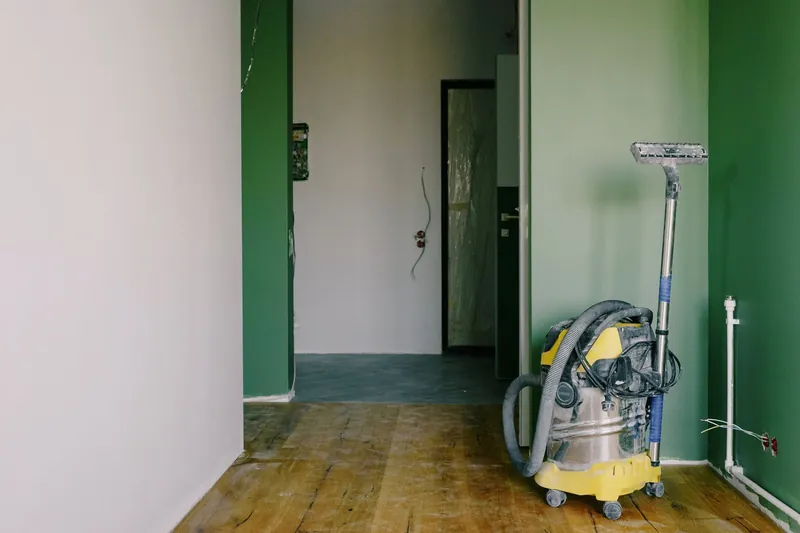
The full MRSA, C. diff and norovirus cleanup guide covers what is cleaned or removed, odor and air quality work, and the rules that apply in Scott County.
Read the full MRSA, C. diff and norovirus cleanup guidePlanning for access, containment and cleanup can depend on local population, housing and entry conditions.
The 38.5% rental share makes it important to identify the decision maker before porous building materials are removed.
Homes with a median construction year of 1975 may contain layered renovations that hide affected materials beneath newer finishes.
When 31.7% of seniors live alone, clear item documentation can help an absent relative make careful decisions about belongings.
At 77.5% single-family housing, cleanup boundaries may include attached garages, utility rooms, or storage areas beyond the main room.
Ask on the call about cleanup options for neighboring communities and ZIP codes.
Disinfection for infectious disease uses EPA-registered products with complete coverage of surfaces.
See infectious disease disinfection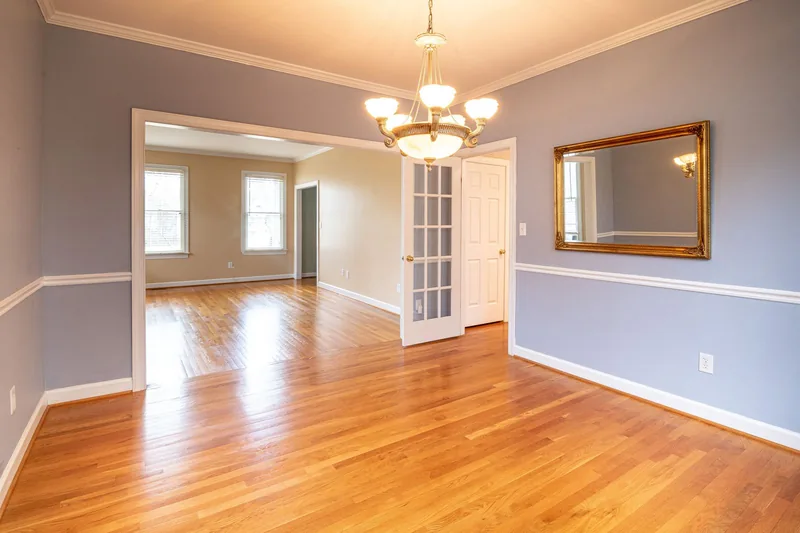
Virus disinfection for homes, offices and shared spaces after an outbreak.
See covid-19 and virus disinfection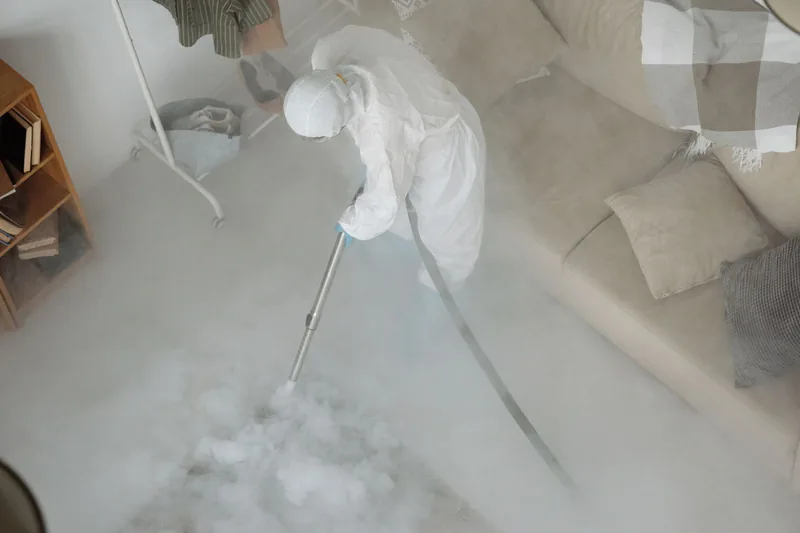
Complete decontamination treats the room, its surfaces and the air after a hazardous or infectious exposure.
See biohazard decontamination
Removal and disinfection of blood, body fluids and other infectious material from any property.
See biohazard cleanup
Across care settings, commercial spaces and homes, bodily fluid cleanup includes disinfection.
See bodily fluid cleanup
Disinfection accompanies human feces cleanup in public restrooms, homes and rental properties.
See human feces cleanup
After medical waste removal, disposal takes place through approved treatment facilities.
See medical waste removal
Planning for industrial and commercial biohazard cleanup considers operations and access to the site.
See commercial and industrial biohazard cleanupHard surfaces that can be cleaned are usually treatable when every affected face is reachable and compatible with the selected product. Upholstery, carpet padding, unfinished wood and other porous materials need individual assessment. An item may require removal when contamination reached layers that cannot be accessed, cleaned and disinfected safely.
A limited household area may be manageable when you can follow public health guidance and the disinfectant label safely. If porous items contain bodily fluids, several rooms need attention, vulnerable occupants share the space, or used cleaning tools, waste and laundry cannot stay away from clean areas, consider professional cleanup.
Use an EPA-registered disinfectant whose label claim fits the organism and the surface being treated. The proper product may differ for norovirus, MRSA and C. diff spores. First clean the surface, then keep it wet throughout the label's required contact time.
No. Directly cleaning and disinfecting affected surfaces cannot be replaced by an air treatment. Visible soil must be removed, high-touch points must be reached and the selected product must stay wet for its label contact time. Absorbent items also require evaluation beyond their visible outer surface.
Limiting entry, isolating the affected area and controlling tool movement help keep it apart from clean spaces. Used cloths, mop heads, laundry, protective equipment and waste stay apart from clean supplies. Surfaces are cleaned systematically, then the appropriate disinfectant remains in place for the complete contact time on its label.
There is no single reliable time for every property. Required disinfectant contact time, visible soil, room count, textiles, surface materials and communal equipment all affect the schedule. A phased approach or additional public health guidance may be necessary for a facility before people come back.
Discreet, respectful MRSA, C. diff and norovirus cleanup, 24 hours a day, with crews in unmarked vehicles.